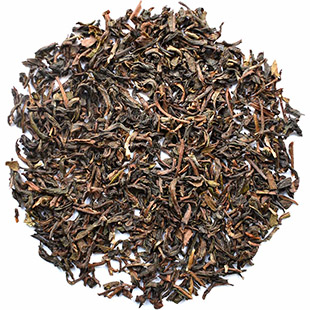
Discover an expert guide to Darjeeling Tea, complete with extensive information about this beloved tea. Everything you need to know about Darjeeling Tea can be found in one convenient place. Plus, enjoy free shipping on your Darjeeling Tea order!


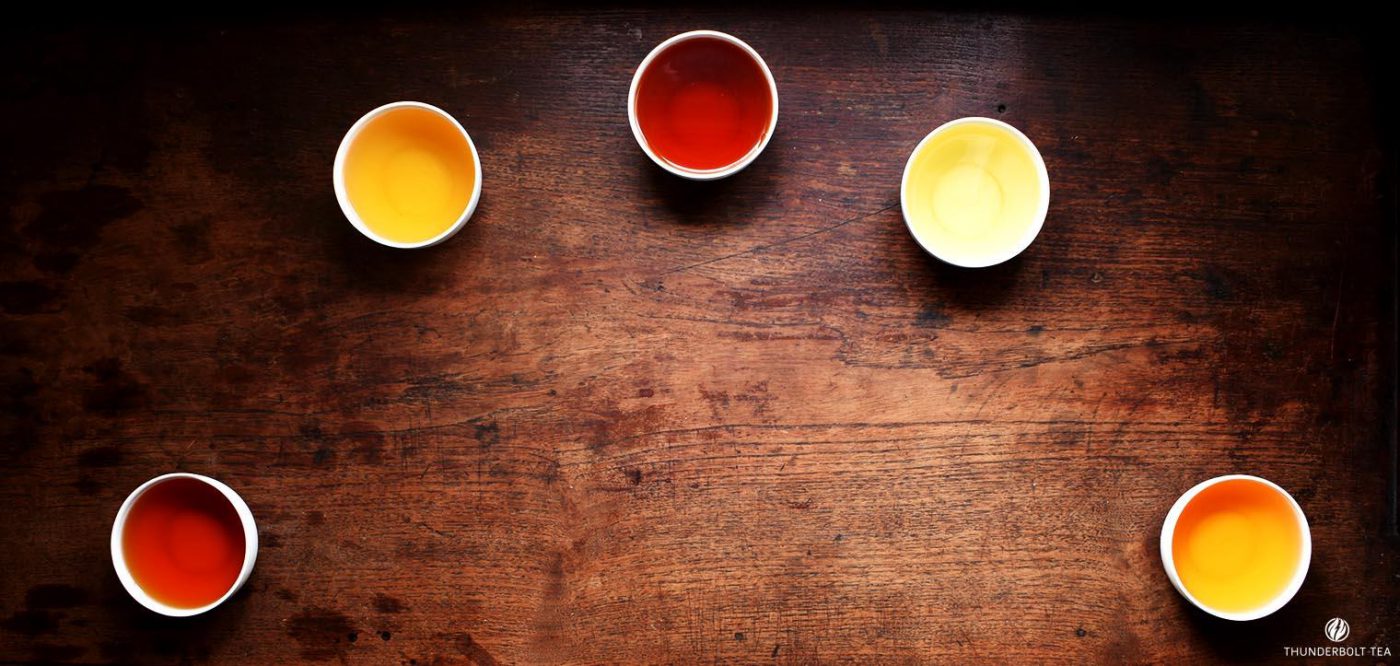
Darjeeling Tea, All you need to know about the Golden Brew
Extensive information on Darjeeling Tea, its tea gardens and estates, its people and life in the Darjeeling Hills! Please Read on below! BUT WAIT! if you want to skip reading and instead, Head to Online buying of our top grade, best Darjeeling Tea varieties, then please click on any of the tea categories below which corresponds to a particular tea season. Free Tea shipping option available! Thanks for visiting!
OR BUY TEA FROM OUR NEW TEA ARRIVAL SECTION
NEW TEAS
Ah, you have decided to Read on...
WHAT IS DARJEELING TEA?
12 Extensive Points to make you a Darjeeling Tea Expert
What is Darjeeling Tea? To answer, the meaning or definition in short: Known as "The Champagne of Teas", Darjeeling Tea is any grade of given tea grown in the Himalayan region of Darjeeling, India. The name itself depicts a sense of belonging as to where it is grown. Hence, the name "Darjeeling Tea" derives it's name from it's inherent place. But wait, there is more to Darjeeling than this simple definition. Please read on, we have laid some points for your further understanding below! Enjoy the Read!
1. THE MEANING OF DARJEELING TEA
In the world of tea, numerous regions grow and manufacture tea. Most of their names refer to the place where it's grown. Darjeeling Tea is one of such tea grown in the Himalayan belt of India, the beautiful hills of Darjeeling. So what is Darjeeling Tea and why is it so famous? Well, that's the very purpose of this page trying to tell you everything that is related to it. Please read on!
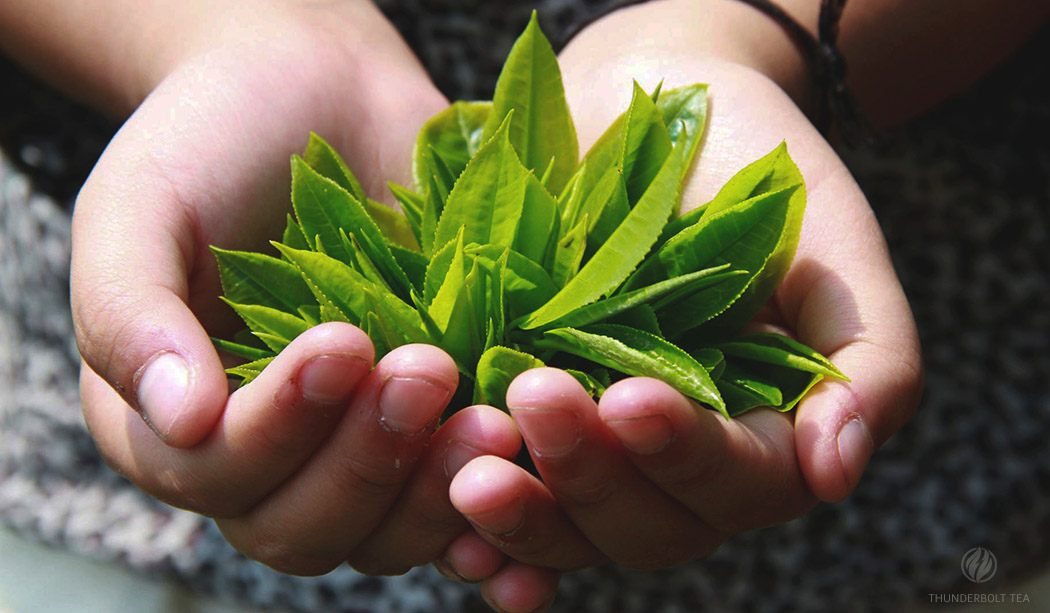
Darjeeling Tea can be defined as one of the most exotic, expensive and exclusively flavored tea. The flavor of an individual Darjeeling Tea is as unique as human personality, sophisticated, complex, gentle, delicate, relaxing and enigmatic. A delight to be in the company of a complex friend, yet enjoyable at all times.
According to Tea Board of India
Tea Board of India : "tea which has been cultivated, grown, produced, manufactured and processed in tea gardens in the hilly areas of Sadar Sub-Division, only hilly areas of Kalimpong Sub-Division comprising of Samabeong Tea Estate, Ambiok Tea Estate, Mission Hill Tea Estate and Kumai Tea Estate and Kurseong Sub-Division excluding the areas in jurisdiction list 20,21,23,24,29,31 and 33 comprising Subtiguri Sub-Division of New Chumta Tea Estate, Simulbari and Marionbari Tea Estate of Kurseong Police Station in Kurseong Sub-Division of the District of Darjeeling in the State of West Bengal, India." - Tea that has been manufactured and processed in a factory located in the mentioned area. - Tea has a distinctive and undeniably a unique flavor, muscatel aroma and color of a light golden liquor and a typical fragrance.
Like all teas, Darjeeling Tea too comes from Camellia sinensis. Under the hood there are various varieties of tea bushes planted in Darjeeling like the small-leaved Chinese, clonals and Assam (assamica) varieties. Each yield a produce that is different in appearance, taste and quality. We will delve into this later. Historically, black tea was the only produce it focused on, but as the world of tea expanded, Darjeeling started producing green, white and oolongs as well. It is one of the first Indian product to receive a GI tag, in 2004-2005 via Office of Controller General of Patents, Designs & Trade Marks, India.
2. DARJEELING TEA PRICE: WHY IS IT EXPENSIVE?
It is produced and grown exclusively in the hilly regions of Darjeeling. The place is positioned in the northern face of West Bengal, India. There are umpteen numbers of tea gardens that fall under the jurisdiction of Darjeeling district. And tea coming and produced in these region are exclusively called Darjeeling Tea. It is neither feasible nor possible to produce the unique flavored tea any where in the world. Please read below regarding Darjeeling Tea price and why it is expensive.
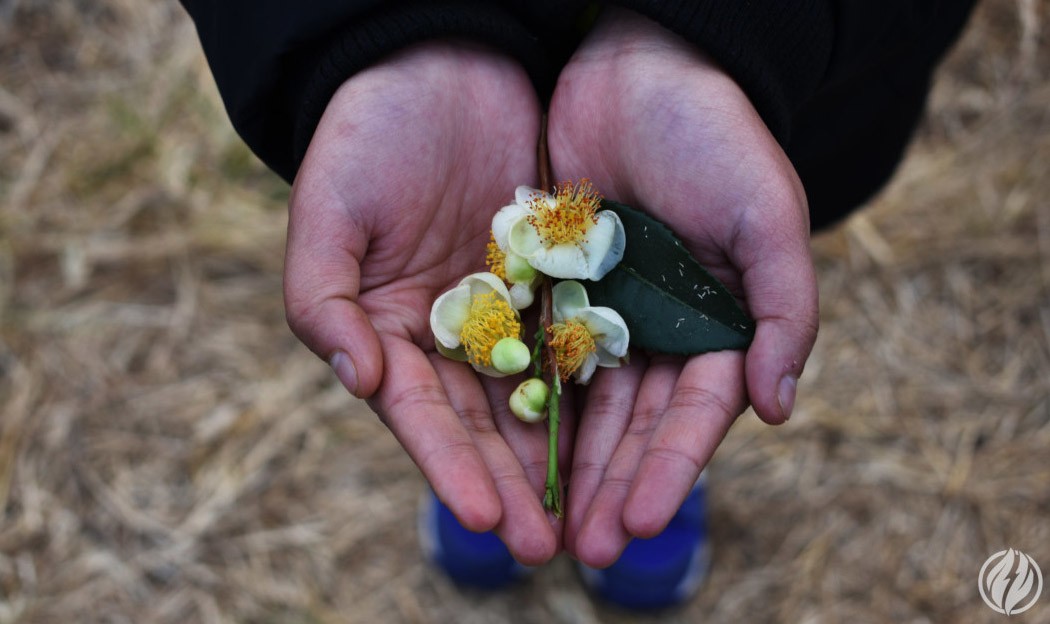
Darjeeling Tea Price varies with quality and you can get affordable teas as well, but if you are looking for a best quality Darjeeling Tea, it will be costlier. Yes, there are various tea gardens producing tea, but the production quantity is only 10 million kgs annually. Only about 500 kg of dry tea leaves is the yield per hectare in the fine tea growing valleys of Darjeeling. The lower elevation around the district produces about a third of many non-specialty Darjeeling.
The result of 20,000 individually hand picked leaves only produces about 1 kg of finished Darjeeling. The high cost of cultivation is one of the factors giving rise to the end product. The Best Darjeeling Tea is made from high quality tea leaves such as clonals and china. High quality Darjeeling undergo severe strict and efficient manufacture so that they retain both the appearance and the desired flavor. The low grade Dajeerling Tea will have tea leaves that are not of high quality such as teas made from Assamica and teas made during low quality tea seasons such as rains and the banji period. That is the reason why, good quality tea will be expensive.
Secondly, the unique and esteemed muscatel flavored teas contribute as well which is rare due to its low production. Darjeelings have a considerable number of fans addicted to that Darjeeling flavor who relish at the comfort of their homes. Lastly, thousands of tea laborers do hard work to get that perfect brew. Most of them are perched on difficult hilly slopes picking the tea leaves for you. Imagine doing that in the rain and the sun. High price is somewhat a compensation for all the factors mentioned above.
3. Darjeeling Tea: THE CHAMPAGNE OF TEAS
BUY BEST DARJEELING TEA ONLINE
The universally acclaimed and accolade as the finest tea, Darjeeling Tea is considered "The Champagne of Teas" for its genuinely and perfectly flavor and the muscatel character that cannot be replicated or duplicated anywhere else in any part of the world. Buy the best Darjeeling Tea online from a local vendor.
Shop New Teas
Reason for Darjeeling Tea being Exclusive
Tea is drunk in the world due to magical health benefits such as weight loss etc, some are addicted and some just enjoy relaxing on their sofa. Darjeeling Tea on the other hand, as a specialty tea, imbues an unmatchable character and quality. Grown in the idealistic, dreamy and the magical mountains at a height of 750-2000 meters in century old Tea Estates, these bushes are nurtured and cared by incessant showers of rainfall, golden glow of the pleasant sunshine and the soft mist. The hilly terrains provide a natural drainage for the intermittent rainfall that Darjeeling receives.
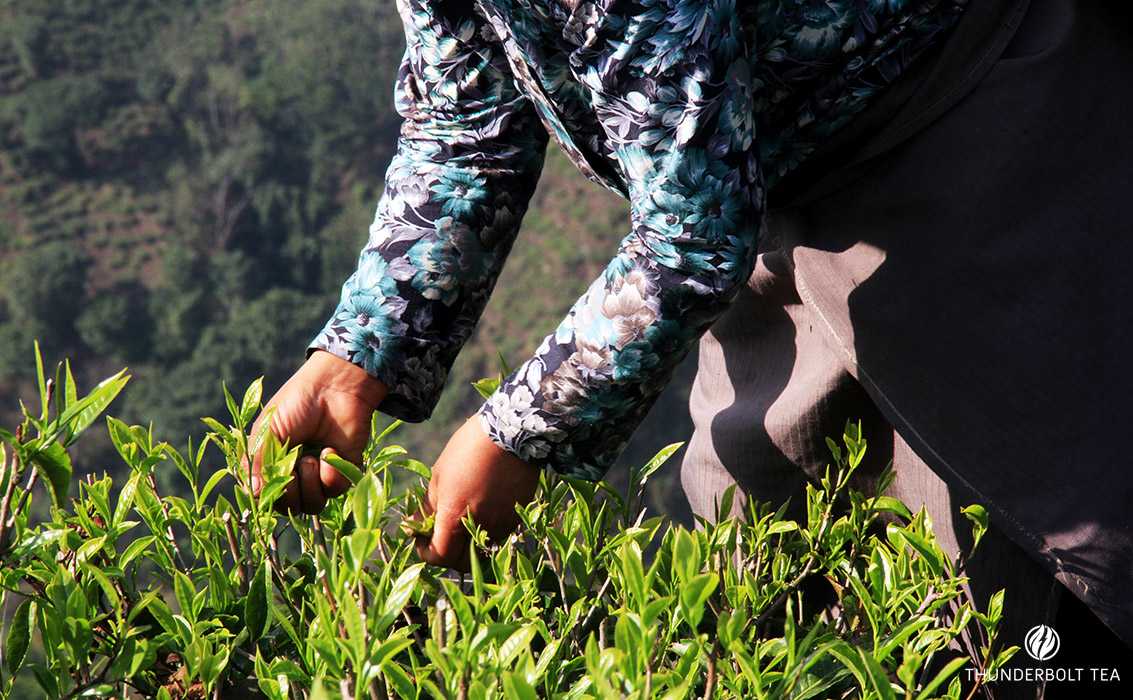
Well aware of the highly esteemed and reputed tea, even the tea pickers only pluck the apical tender bud and the finest two leaves to augment the unique Muscatel flavor. The low yield is due to the adherence to this lofty profile. The tea planter have not succumbed before temptation of enhancing the yield at the expense of quality. Therefore they focus their every effort to promote high quality Darjeeling Tea, in spite of its exorbitant production cost.
Darjeeling Tea derives its uniqueness from its Muscatel flavor. According to tea scientists, geraniol, linalool, terpenoids and some fatty acid degradation products add to the nature and the characteristic flavor of Darjeeling tea. There were research works carried out in Tocklai and its findings have revealed that the Darjeeling in comparison to other teas is much more stronger and volatile. The Volatile Flavory Constituency (VFC) and the content of monoterpene alcohol are five times higher in Darjeeling from the hills compared to the North eastern plains.
The cold, dry windy nights, humid moisture laden day with relatively low temperature prevailing through out the year has been accredited for the formation of VFC. Further the genetic makeup of the Chinery tea also imparts higher VFC formation. Therefore it can be stated that the contact and combination interaction between climate, soil and genotype produces the famous tea in the world - Darjeeling Tea, The Champagne of Teas.
4. DARJEELING FLUSH OR TEA SEASONS
It can be confusing for the first timer when it comes to the topic of "Darjeeling Flush" specially when dealing with Darjeeling Tea. In tea, the tender portion of the shoots constituting the terminal bud, the inter nodes and the two of three leaves instantaneously beneath it, together constitute the crop, the ‘Flush’. In Darjeeling, Flush further refers to four different and separate tea plucking seasons throughout the year known as Darjeeling Flushes - First, Second, Moonsoon and Autumn Flush.
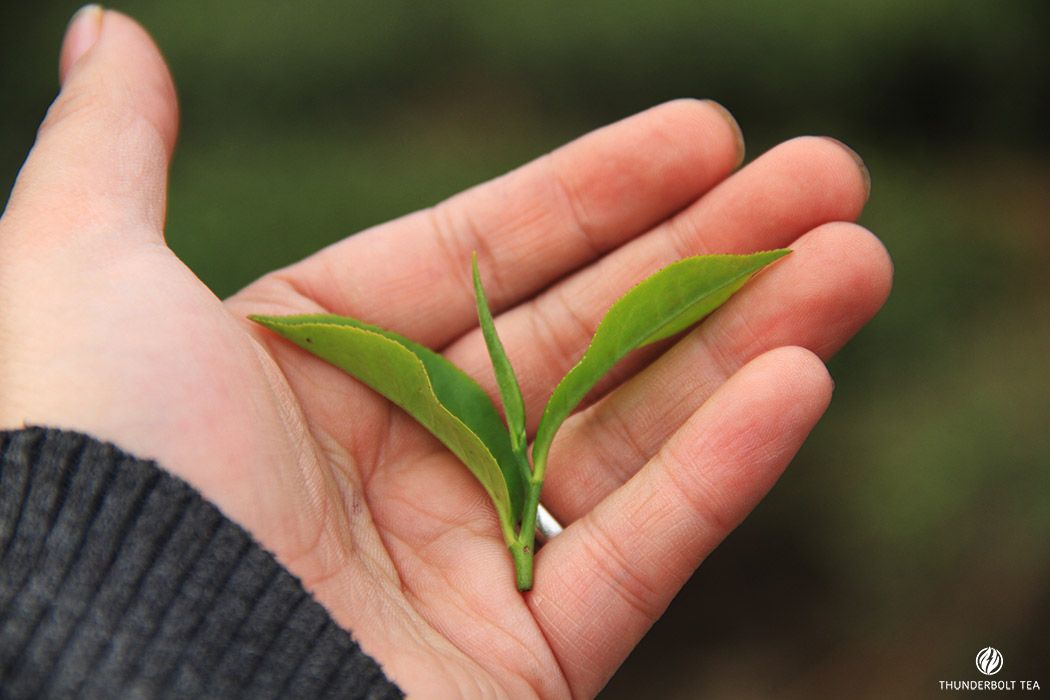
Cradled in the foothills of the snow covered and towering Himalayan range, this exclusively exquisite tea is grown at an altitude ranging from 750 to 2000 meters. The combination of the moist wet and cool climate, the rich fertile soil, the incessant rainfall and the gradually sloping terrain gives a matchless and unique "muscatel" flavour. The manifestation of the individual and distinct flavor comes out specifically during its tea season or commonly known as Darjeeling Flushes. These initial Darjeeling Flush start from end of February and ends in November each year. Each Darjeeling Flush is known by its name which is mainly according to the chronological order. The First season during Spring is known as First Flush which is highly sought after by tea connoisseurs world wide. The second season during Summer is Second Flush then comes Monsoon Flush which is lesser known and lastly, the Autumn or Autumnal Flush.
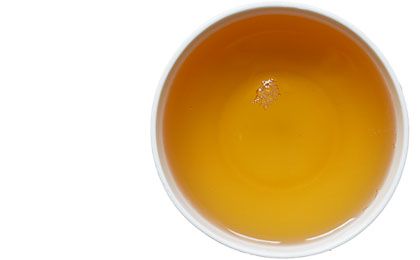
FIRST FLUSH (late February to mid April)
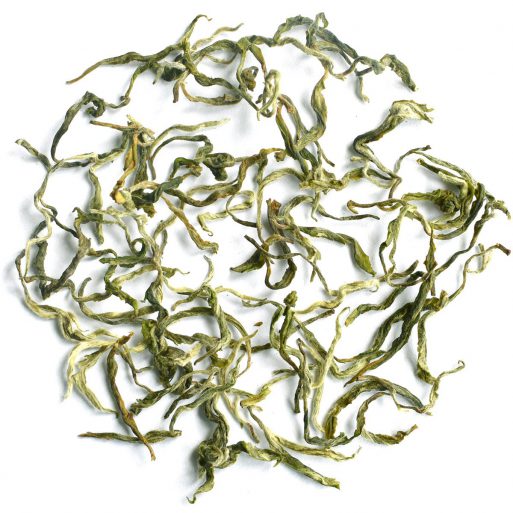
Spring is the season of life, reawakening and freshness. After cold, chilly and the dormant winter months, life takes a new lease in Darjeeling with the First Flush Darjeeling. This is also apparent with the appearance of new tender shoots on the tea shrubs with its delicate, fragile and grey-green sheen on the tea leaves. The tea liquor is characterized by a light translucent color and a mild astringent flavor that impart a lively character to the tea. The distinctive feature of this "Darjeeling First Flush" season is a fragrant floral aroma and a bright lime-greenish eminence of infused leaves.
SECOND FLUSH (May to June)
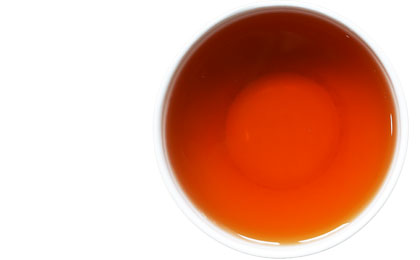
The production of the world renowned "summer tea" or Second Flush Darjeeling Tea is produced from the month of May. The Second Flush Darjeeling results from the luscious, moist and juicy leaves. It is characterized by very enticing facade with a turquoise, purplish bloom and a touch of shimmering shiny apex (buds). The infused tea leaves are more vivid in its color and appearance than that of spring. It is characterized by mature and a mellow brew. It is during this period that the famous "Darjeeling Muscatel" flavor becomes pronounced. This Darjeeling Second Flush season period expresses a full bodied cup as well as aroma with its infused tea leaves of bright copper or purplish tinge.
MOONSOON OR RAIN FLUSH (July to September)
The "Monsoon Darjeeling Flush" forms the bulk of 'breakfast blend' for it has more color and is much stronger in its brew and appearance. The teas picked during the rainy season are thought to hold too much water. Some tea connoisseurs have the habit of taking this tea with a little bit of milk added, but this totally depends on personal liking.
AUTUMN FLUSH (October to November)
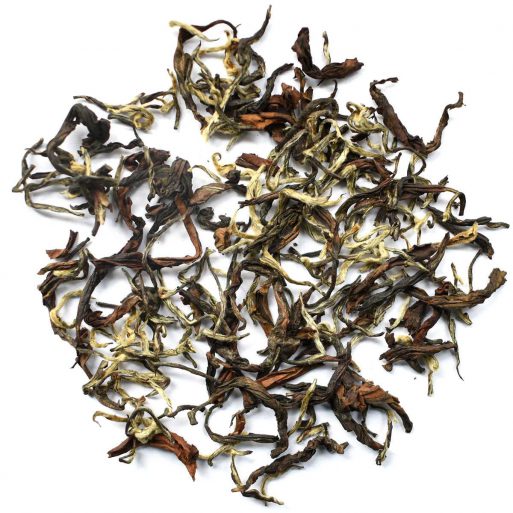
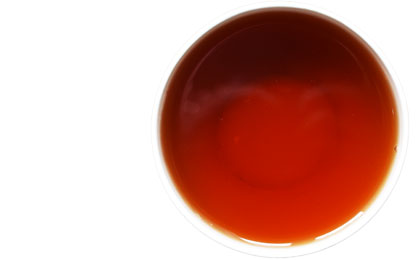
In the months of October and November the "Autumnal flush tea quality" makes its prominence felt. The tea liquor imparts a delicate, yet a silvery and glimmering character and the appearance lends a light brownish tinge or gentle copper glow. This Autumn Flush Darjeeling Tea has a delightfully distinct feature and taste completely differs from that of First Flush and the Second Flush teas. The infused tea leaves has a golden coppery hue with an aromatic and fresh fragrance. Unlike other Darjeeling Flushes, this tea has a mix of green tea leaves with that of blackish or brown colors. Some of the tea produced during this season can have characteristics that of First Flush with lighter liquor and with some astringency, but this depends on the manufacturing process.
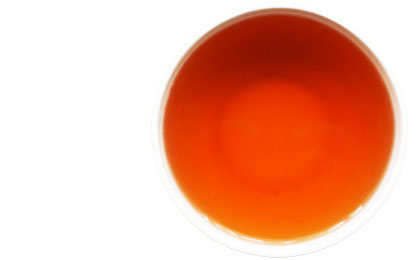
That's the whole round up of a tea's life circle in Darjeeling in a year comprising of mainly four Darjeeling Flushes. Each Darjeeling Flush has a character of its own and each of these Darjeeling Flushes has a huge fan following. People often debate between the most renowned two Darjeeling Flushes and often asks which to choose - First Flush vs Second Flush Darjeeling. It really depends on ones palate liking. Some like it light and bright, whereas some like it full bodied and dark.
5. Process of Making Tea in a Factory
The process of making tea in a factory in Darjeeling involves using the conventional orthodox industrial technique which was developed in the 1800’s and is called in its amalgamation as “Orthodox Tea Production”. The inherent Darjeeling Tea aroma is maintained by this method and the teas are produced without the procedure of “Cut, Tear and Crush” (CTC) of tender tea leaves. The stages are uniform even though a different variety of different leaves require a very delicate and intricate variation in processing.
TEA PROCESSING: DARJEELING TEA MANUFACTURING PROCESS
Since quality is the pivotal focus, it is never compromised upon by the Darjeeling Tea Manufacturers to produce quantity rather than quality. Recently the trend has started where few tea gardens manufacture green tea during rainy season, hitherto producing the finest quality of green and flavory tea. The intricate timings and tweaks in the tea processing of Darjeeling Tea rests upon the tea master or the tea maker's decision to get the desired appearance and flavor of a particular tea. It is also an hour of pride for the tea makers to showcase their talent and experience in making tea. So, let's head on to the Standard tea processing involved in manufacture from the initial stage of tea picking to tea processing in a tea factory.
FIRST STAGE: TEA PICKING BY TEA PICKERS
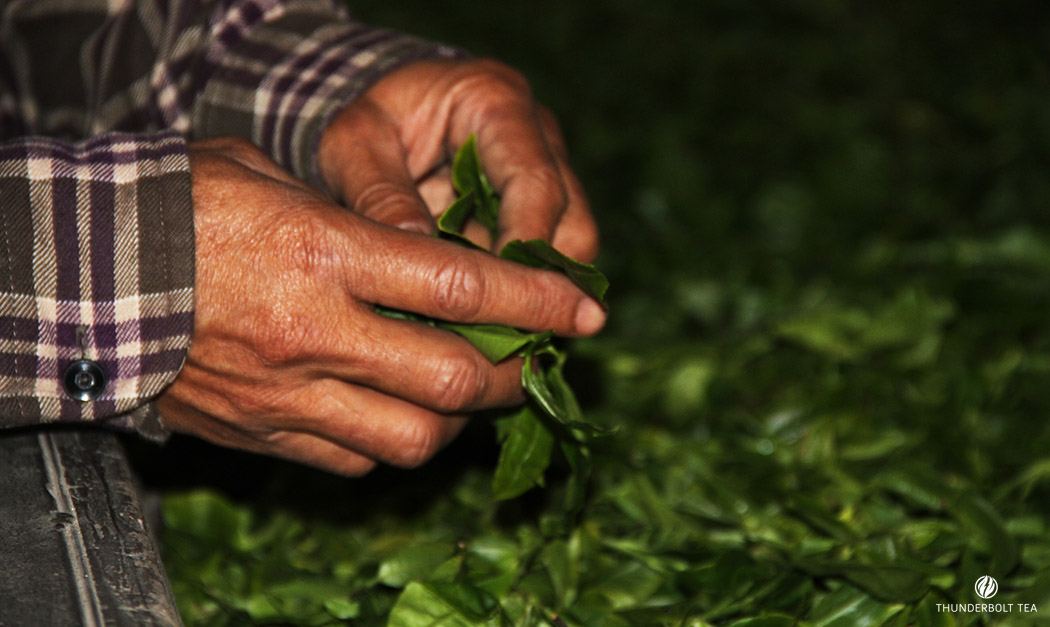
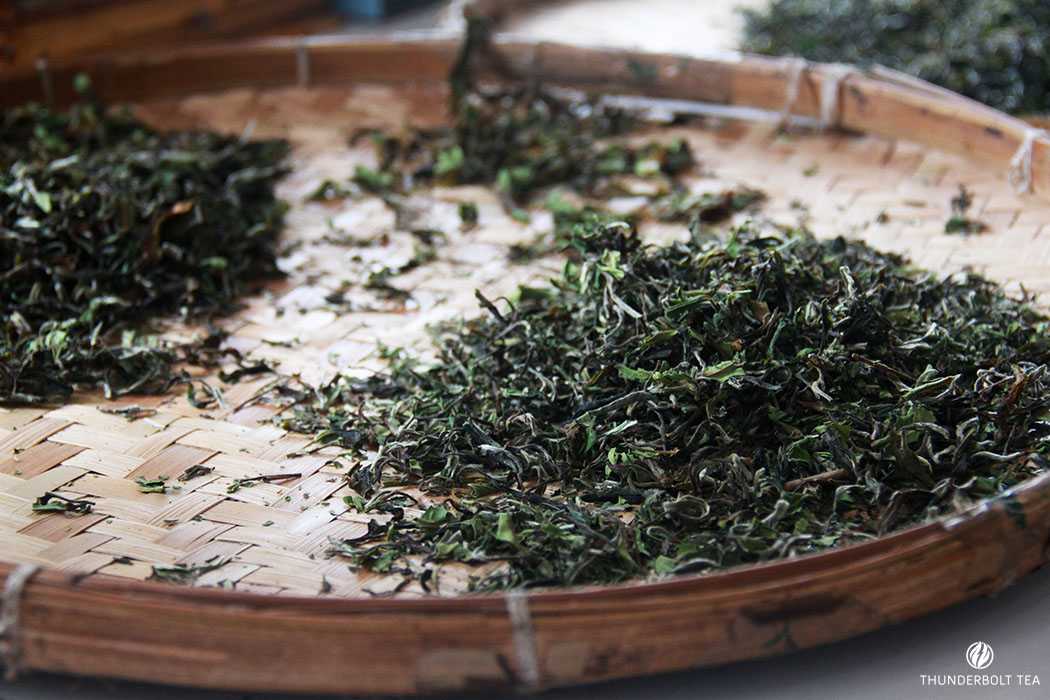
In the manufacturing process, the initial stage is tea picking or plucking of tea leaves mostly done by Nepalese women folk in special bamboo baskets. Tea leaves are carried in the bamboo baskets with the help of a bamboo rope lashed on the head. The locals call the bamboo basket as "Doko" (Nepalese word) and is regarded as the cheapest and the most reliable medium to collect tea leaves. Fine tea picking is an art and if the tea leaves, mainly the two leaves and a bud, are not picked properly, then the whole tea processing can lead to disaster and overall hamper the quality. So the quality of tea leaves picked and brought to the factory is of utmost importance. Only experienced hands can pick the perfect leaves.
SECOND STAGE: WEIGHING OF TEA LEAVES (Weight)
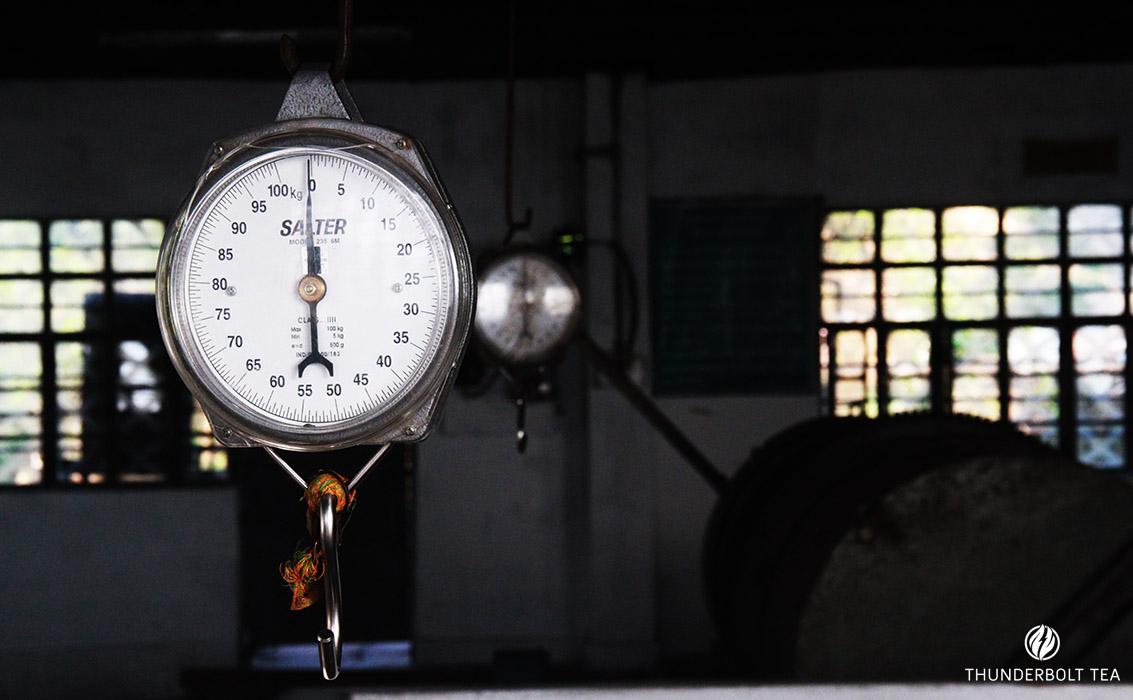
Tea gardens in Darjeeling are vast and the tea workers have to walk and climb difficult terrains to pick tea. The second tea processing step in making tea involves the plucked tea leaves to be sent to the factory or the weighment area. The picked teas are sent for weighment and the tea laborers get their amount registered for future calculations. The tea estate management sets a target number of kilos a particular tea picker has to bring in which is according to their wage. If the tea picker brings in some excess rather than the stipulated amount, then he/she is paid accordingly. The leaves then enter the actual process of "Orthodox Tea Production" starting with the process of 'withering'.
THIRD STAGE: TEA WITHERING
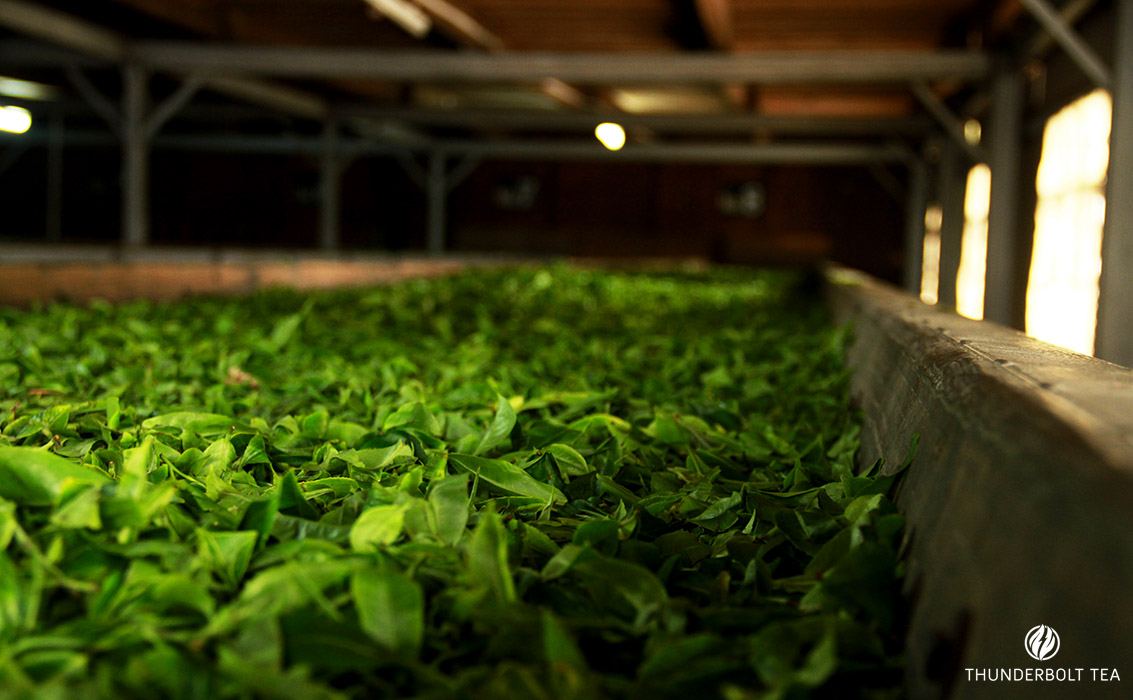
The first stage in process of Darjeeling Tea manufacture that actually starts in a tea factory is the process of tea withering. During this tea processing step, the harvested tea leaves are uniformly spread out on a withering trough which is normally 4 to 5 feet wide and 50 to 70 feet long. In this step of tea processing approximately 65% of the moisture is removed from the green leaf by blowing hot and cold air for about 14-16 hours. The tea leaf becomes limp so as to withstand twisting and rolling under pressure without crumbling. This stage of tea withering is crucial and very often the tea maker visits the tea withering section and checks the status of the tea leaves by simply getting a handful of tea leaves and rolling in the hand. Only an experienced tea maker knows the optimum status attained by the tea withering process or the tea leaves.
FOURTH STAGE IN PROCESSING: ROLLING TEA
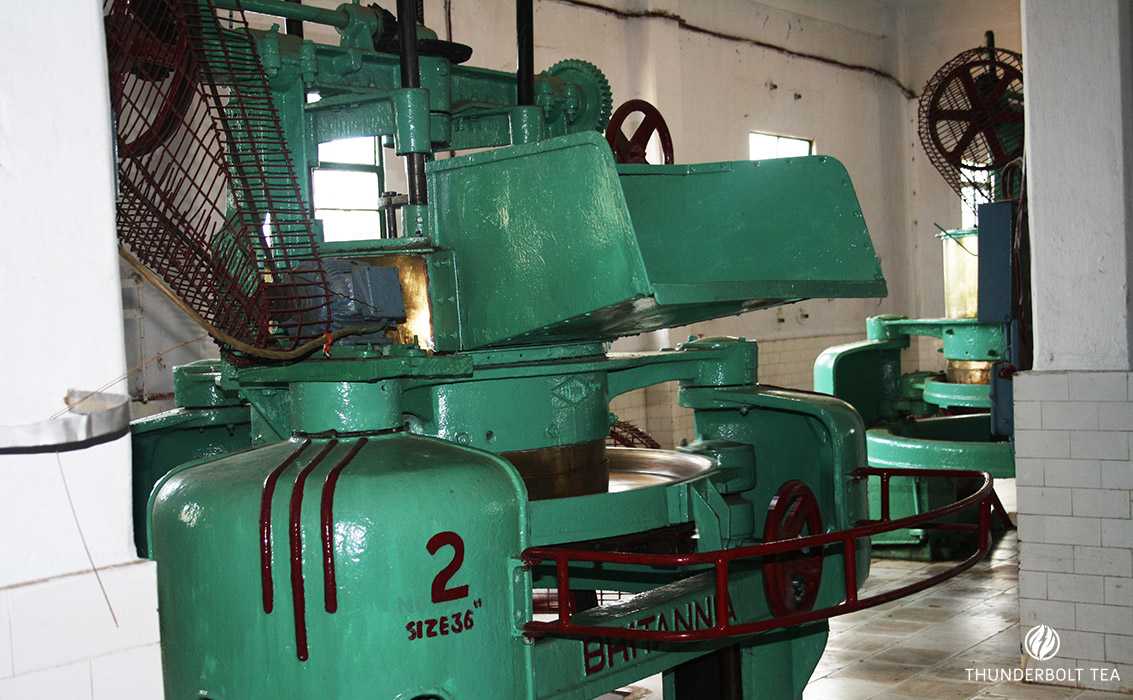
The tea leaves which are withered are put in the rollers which may vary in size. Normally, they are 36 and 48 inches sized tea rollers which are capable of rolling tea which amounts to 70 to 120 kgs withered tea leaves. The pressure exerted on the tea leaf is in 'open and pressure' sequence. This procedure lasts for 45 minutes. During this tea rolling process, the green color of the tea leaf is replaced by brown coppery colored texture. This is because the process of rolling tea under pressure twist the leaf, rupture the cells and release the natural juices, promoting oxidation and acceleration of pigmentation.
FIFTH STAGE: TEA OXIDATION OR FERMENTATION
After the process of tea rolling, the rolled tea leaf is kept on the tea fermentation racks which are made out of tiles, cement or aluminum. Fermentation room is usually kept clean and cold and the process is carried out at a low temperature. During hot season a humidifier is used with less than 20°C hygrometric difference to keep the air humid. An experienced Darjeeling Tea maker judges the optimum tea oxidation on the basis of subjective assessment. The period of tea fermentation is affected by the type of tea leaf, degree of wither, temperature, availability of oxygen and fermenting ability of the tea leaves. Therefore, the temperature period varies from 2 to 4 hours. Tea oxidation or tea fermentation process is a very sensitive one.
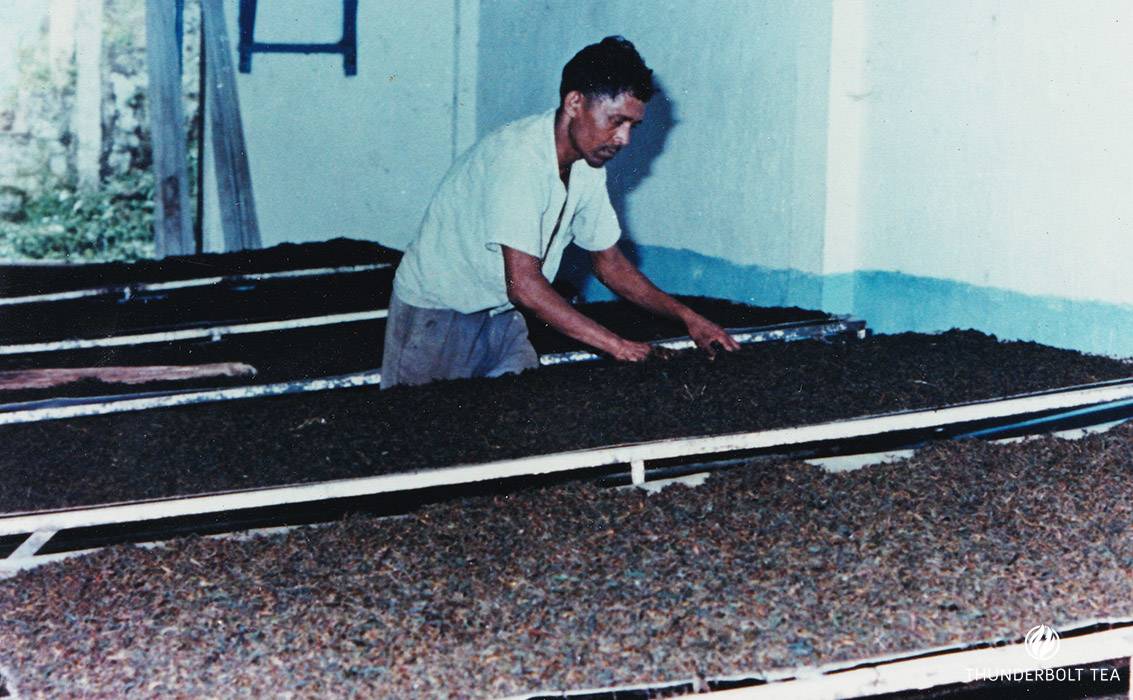
The flavor of any tea can be affected by a minutes delay in adjusting the correct tea oxidation period. The color becomes dark and coppery during this stage and a typical aroma develops. Tea fermentation stage, in which the flavanols combine with oxygen in the air, develops the unique flavor of Darjeeling Tea. This process is the one which differentiates a black, oolong and green tea variety. Darjeeling Black tea undergoes full fermentation; Darjeeling oolongs are semi-fermented while Darjeeling green teas are not fermented at all.
SIXTH STAGE: TEA DRYING PROCESS OR TEA FIRING
This tea drying process involves the fermented tea leaves to be loaded on to the dryer, which is made of perforated moving trays. The temperature inlet is maintained at 200 to 240°C. In order to implement the correct tea drying process, thickness of the spread, speed of the trays and the volume of air blown through are regulated thoroughly. Increased temperature in the primary stages often causes case-hardening of tea while low exhaust temperature produces stewed teas. The complete tea firing process takes about 20 to 30 minutes approximately.
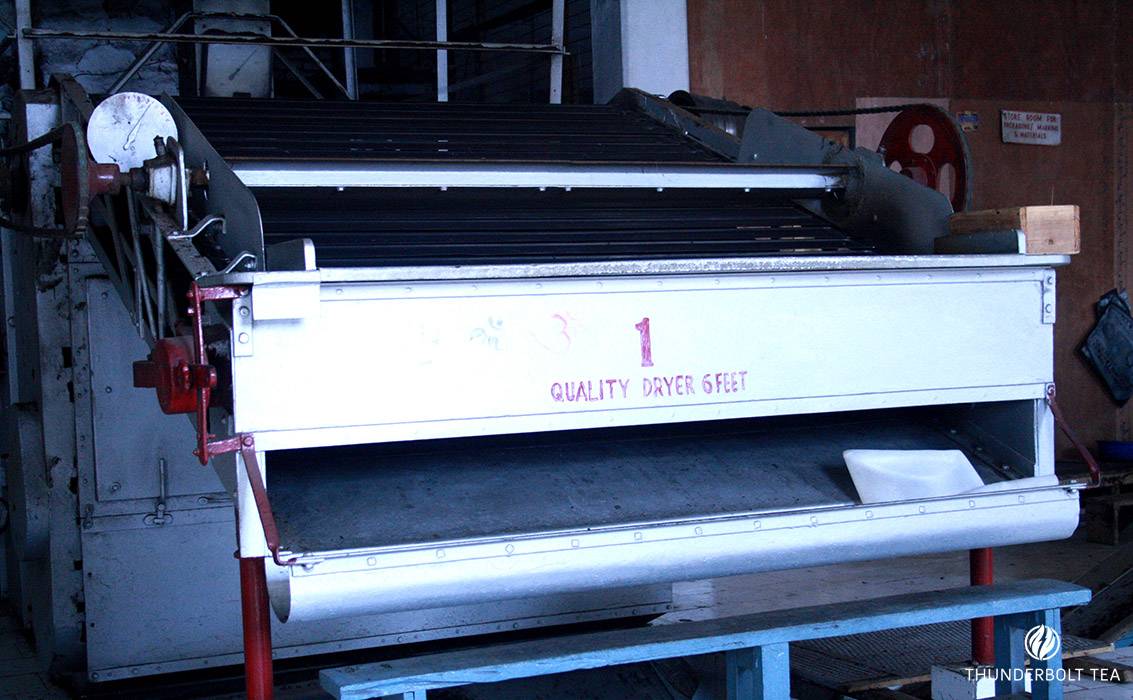
A good tea drying process reduces moisture content in the final product to about 2-3%. In order to maintain a correct balance of the volatile compound in the flavory compounds of top rated teas, it is very important to keep the temperature at a high degree. The extremely fine and high quality mellowness is attained after the completion of enzymatic process of drying during which enzymes remain deactivated, but the maturation process continues, thus giving the desirable character of the "Savory Darjeeling Tea".
SEVENTH STAGE: SORTING AND GRADING TEA LEAVES
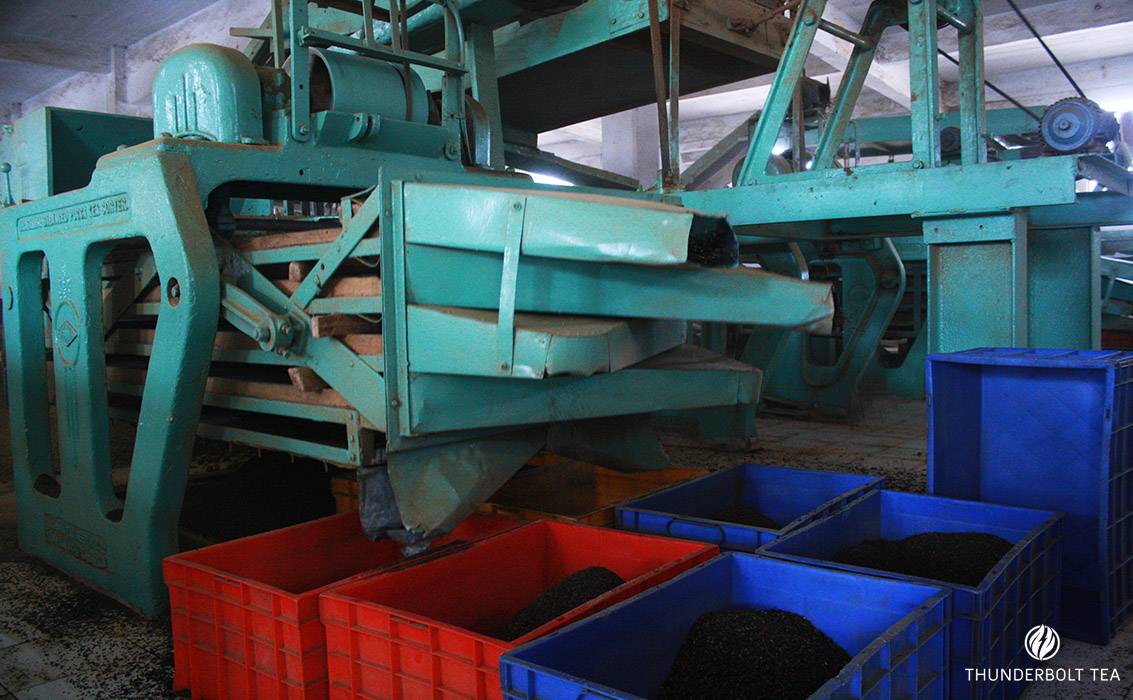
The mechanically oscillated sieves are used for sorting and grading tea leaves making different tea grades according to respective leaf size. There is a gradual decrease in the sieve size from top to bottom which facilitates bigger size teas to remain on the top and the brokens to the bottom, hence defining different types of Darjeeling Tea by leaf size. When we refer to different grades of Darjeeling Tea, it should not be confused with quality. These tea grades will not have quality depending on various factors like peak quality time picking, tea leaves used etc. This is a simple gradation of tea by the size of the tea leaves. Yes, this sorting and grading tea process denotes various size names such as SFTGFOP1, FTGFOP1 etc. It is the manufacturing process that decides what type of tea is to be created or manufactured. And this also depends upon the various tea seasons - namely Darjeeling First Flush, Second Flush and Autumnal Flush.
EIGHTH STAGE: TEA PACKAGING
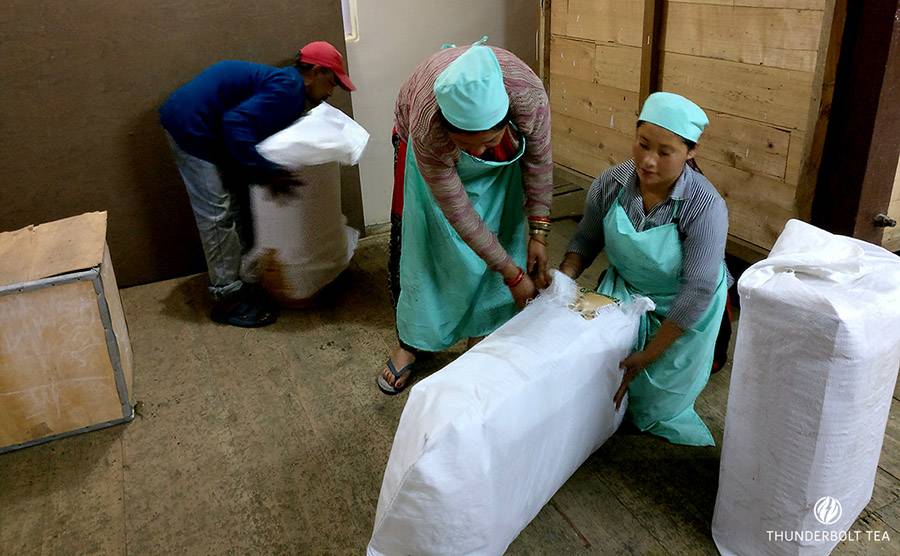
Eighth stage and the last one in the tea factory is tea packaging of the finished product. The manufactured tea leaves are packed in tea sacks or wooden tea boxes depending on the type of tea leaves being packed. Tea packaging of leaves of larger size such as white teas are packed in wooden tea boxes rather than the tea sacks as they tend to break due to constant motion in transit. Smaller tea leaves such as produced from chinery tea leaves are packaged in paper tea sacks which has an under lining of moisture proof aluminum foil. However, the tea packaging done by the tea gardens are not 100% moisture proof and that is the reason why as soon as the tea enters our place we transfer to our own moisture proof containers.
6. TEA TYPES: DARJEELING TEA GRADES
Darjeeling is mostly produced with an orthodox method that keeps the leaves whole during the production. When it is sold, it is classified by size and quality. Basically there are four Darjeeling Tea grades or tea types which are laid below. Please note that these information only reflect the sizing nomenclature of the tea leaves and not the quality aspect of it.
With the help of mechanical oscillated sieves, the tea leaves are sorted out into various tea types by size. Do notice the number of outlets the teas are having as shown in and discussed under the topic "Process of Making Tea in tea factory" (no. 5 - Stage Seven) and the number of baskets placed underneath for collecting different sizes of tea leaves or grades in simple terms. General tea types or variations according to leaf size is done via sorting process.
TEA TYPE WHOLE LEAF SFTGFOP:
Super Fine Tippy Golden Flowery Orange Pekoe (SFTGFOP) indicates that it contains many tips and are long and wiry in appearance. The tea liquor is lighter in color, but this depends on the Darjeeling Flushes or tea season. Other whole leaf grades are: FTGFOP: Fine Tippy Golden Flowery Orange Pekoe (FTGFOP). These are a little smaller in size than the above.
TEA TYPE BROKEN LEAF FTGBOP:
Fine Tippy Golden Broken Orange Pekoe (FTGBOP) tea leaves are smaller in size and are graded in decreasing order of quality. This is normally got during Tea processing, specially during sorting. Other broken tea grades are: TGBOP: Tippy Golden Broken Orange Pekoe. FBOP: Flowery Broken Orange Pekoe. BOP: Broken Orange Pekoe.
TEA TYPE FANNINGS GFOF:
Golden Flowery Orange Fannings (GFOF) tea leaves are still smaller in size than the brokens and are graded in decreasing order of quality. Other Darjeeling Tea fanning grades: GOF
TEA TYPE DUST (D):
This is the one generally used in traditional tea bags around the world. This is a convenient way of steeping tea in a hurry, but this usually isn't the best quality tea you would be brewing.
Other differences relating to quality of Darjeeling Tea
The above gradations relate only to the size of the leaf and not to quality differences. All grades are the product of the same green tea leaf. In addition to these nomenclatures, occasionally suffixes as China-(ch), Clonal-(cl), Special-(spl) (mentioned grade names are common with Margaret's Hope Tea Garden's production) etc. may be included, as per the practice of individual gardens. Sometimes tea gardens add a numeral "1" after the grade name defining top grade. All of the above grades are generalized Darjeeling Tea grades or types which also greatly differs with different Darjeeling Flushes mainly, First Flush, Second Flush and Autumn Flush.
Darjeeling has evolved and with time, it has started producing different varieties of tea. The traditional "only Darjeeling black tea" production is not true anymore. Various tea gardens now produce overwhelming tea varieties such as Darjeeling White Tea (eg. lovely white teas from Arya) Darjeeling Oolong and Darjeeling organic Green tea. Darjeeling black tea is somehow the dominant variety produced in terms of bulk production. Some variety has become a brand of it's own, like the Darjeeling black variety, "Castleton Muscatel Tea" etc. This has grown due to demand and in nurturing tea clients in different parts of the world.
7. TEA TASTING IN TEA GARDENS
Darjeeling tea tasting is done by professional tea tasters only, since it is defined as a refined art. This is done in order to ensure authentic and valid comparison between the procured Darjeeling Tea samples and to provide conformity to a standard procedure. The subtle and delicate flavor nuances in each invoice of tea narrate a story about its creation to the experienced tea taster. A good taster's palate memory is prodigious, his senses alert, constantly categorizing, comparing and drawing on past experience, to evaluate a particular tea within a second or two before moving to the next. No surprise then, that the craft is viewed with a tinge of awe and wonder! Do keep on Reading Below...
Standard Tea Tasting Procedure in Darjeeling Tea Estates
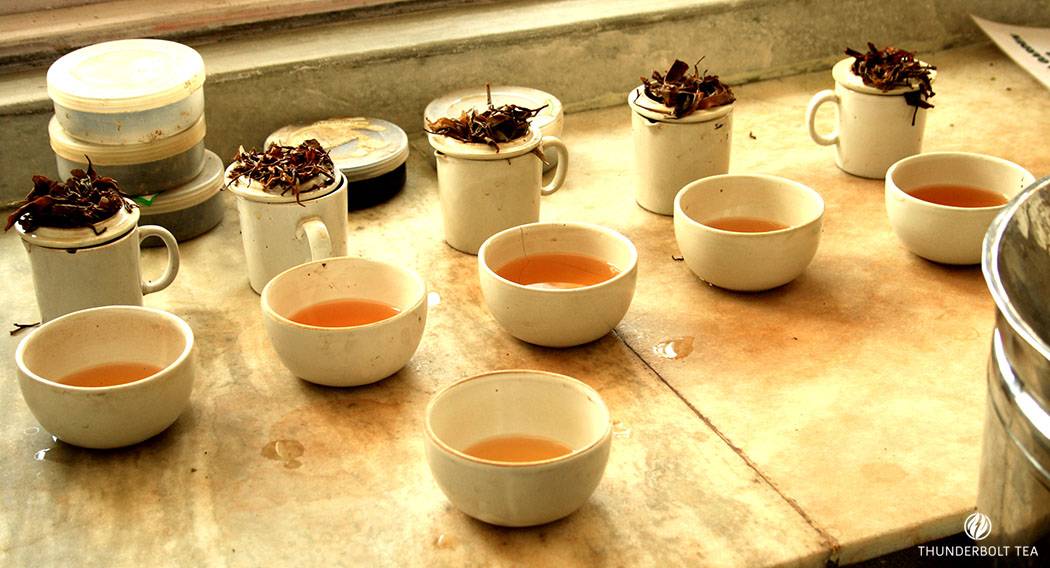
Batches and liquor is prepared for each tea tasting process. The tea accessories that are required for tea tasting are porcelain tea pots of 100 ml, stainless steel kettle and a sand-watch of 5 minutes. The tasting procedure comprises of 2% tea brew which is prepared with 2 grams made tea infused for 5 minutes. This is boiled in 100 ml of distilled water.
After the liquor is poured into the porcelain bowl, the infused tea leaf is shaken on to the lid by inverting the cup. The infused tea leaf and the inverted lid are kept back on top of the cup. The tea is tasted without milk and sugar and sometimes a blender may prefer to taste it with milk in larger cups. In organoleptic evaluation of tea quality, Dajeerling Tea dry teab leaves is examined first for tea color, aroma, uniformity and tea tips. After this procedure, it passes over to the infused tea which should ideally be without green tinge bearing a full size unfolded leaf with a copper color.
Good quality Darjeeling Tea liquor is judged by clear bright and less colored texture with a pinkish-greenish tinges meniscus where the tea liquor touches the bowl. While tasting, the liquor is sipped into the mouth with a spontaneous breath which brings the liquor in contact with the tongue and other parts of the mouth which are very sensitive to flavor and astringency, thus the liquor is not gulped or swallowed but expectorated into the spittoon.
Outcome of the Darjeeling Tea Taste: The Verdict
After the tea tasting procedure, the report of the tea taster relates to tea leaf style, color, brightness, flavor, astringency and the order of the preference of tea samples which also depends on where the tea is from Darjeeling First Flush, Darjeeling Second Flush or Darjeeling Autumn Flush tea seasons. This does not end here, the tea taster can then appreciate all the right qualities of tea while being processed and point out areas which needs rectification. The sharply honed senses of sight, touch, smell and taste, all plays a pivotal roll when evaluating 'quality Darjeeling tea'.
Detailed in-depth preparation needs another topic
With so many teas around the world, its always daunting for any tea lover to brew a particular tea in the right way. And it is of utmost important because the best of tea can become the worst, if not brewed properly. Since we are into Darjeeling Teas, we have written a blog post about the same. We searched the net, but never found a concrete write up. Please do read our tea tasting guide on our blog. We would have included the post here, but this would have made it overwhelmingly long. There are other various insights on tea tasting not covered here. We suggest you read our post "Expert Tea guide on how to make Darjeeling the perfect way"!
Do we love Darjeeling Tea in tea bags?
It is believed that according to the industry terminology, most of the tea that goes into tea bags is "fannings or dust". Moreover, its usually assumed that the entire process is mechanically performed, thereby not allowing the "touch" of a human hand in any of its progression; hitherto the result is likewise dismal.
We still have most important qualms about tea bags. Whole loose leaf teas require room to expand and unfurl and liberate its muscatel flavor. This is not possible in the tight and congested tea bags. The condition inside the tea bags alters the character of the tea by breaking up the tea leaves so that it can steep. Smaller dust particles release all their tannin into the hot water giving over steeped tea and bitter foul tasting tea that causes dryness of tongue. Further the tea bags are not able to bear and endure a number of infusions, this leads to dispersal of its entire flavor. The result is the same with decaffeinated tea bags as the release of the tannin are as swift as the caffeine.
The New Trend and we still are wary about it
The new trend of larger leaves in a bit roomy bag is still an inconvenience for the tea leaves as it requires greater expansion space. We also cannot avoid the fact that along with the tea leaves, you are brewing the bag too which I suppose is not beneficial for your health. Tea Health benefits of Darjeeling can be got from tea and tea alone - the tea bag in which it comes is not at all healthy. Along with the tea, you are consuming the so called "bag juice" as well :) You are wise enough to deduce an answer. Lastly the best part of enjoying a delicious cup of Darjeeling Tea is also watching the leaves gently awake and unfurl as it steeps in boiled water dancing from one end to the other (also known "The Agony of the Leaves") - this can itself narrate a story about the tea. Actually, its beautiful to watch the whole phenomenon.
8. HISTORY OF DARJEELING TEA
The History of Darjeeling Tea dates back to 1835 through the initiative of the British Governor General, Lord Bentinck. Dr. Campbell, a civil surgeon, was transferred from Kathmandu to Darjeeling in 1839 as the first superintendent of Darjeeling. At this time, there were hardly twenty families living in the entire tract of hills. Dr. Campbell brought China tea seeds from the Kumaon hills of north India in the year 1841. He planted them near his residence in his Beechwood garden in Darjeeling, 2134 meters above sea level. Seeing the success in the plantation, the government elected to put out tea nurseries in these areas in the year 1847.
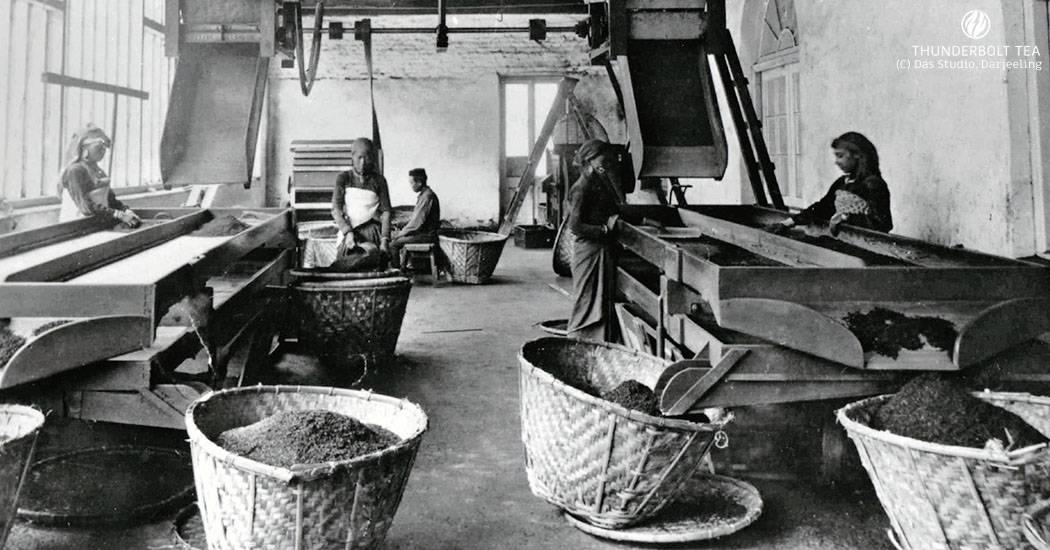
Nepalese women working in the tea garden factory.
Tukvar Tea Estate, Darjeeling, 1920. © Das Studio, Darjeeling.
First Darjeeling Tea Estates
Following the footsteps of Dr. Campbell came several others, for example Dr. Withcombe, Mr. James Grant of the Civil Service and Capt. Samlar. In 1848, Dr. Hooker planted tea at Lebong, almost at thousand feet below Darjeeling where the tea plant grew as anticipated and successfully. Several other Darjeeling Tea plantations advanced by the year 1852. Darjeeling perceived its first commercial tea estates namely Tukvar, Steinthal and Aloobari. These entire tea estates used seeds procured from the government nurseries. The development was rapid by the year 1856 as the experimental stage had successfully passed.
According to the 'Darjeeling Gazetteer' (book focusing on Darjeeling history) Aloobari Tea Garden was opened by the 'Kurseong and Darjeeling Tea Company'. Another on the Lebong spur by the 'Darjeeling Land Mortgage Bank'. For this purpose several hundred hectares of land were cleared starting from an elevation of 750 m to 1800 m above sea level. By 1857, 25 to 30 hectares was planted with tea.
Dr. Borgham started the Dhooteria Tea garden in Darjeeling in 1859. In between 1860 and 1864 this was followed by 4 other tea gardens at Takdha, Ambootia, Ging and Phoobsering which were established by the 'Darjeeling Tea Company'. The other gardens such as Tukvar and Badamtam tea Estate were started by the Lebong Tea Company. Besides these, there were other tea gardens that begun during this contemporary period. Presently they are known as Makaibari Tea Estates, Pandam Tea Estate and Steinthal Tea Estate.
Tea among the natives then
The Government distributed 725 kg of tea seed to the natives of the hills round about the Sanitarium. At this time the native tribes in the Himalayas drank tea that was imported from Thibet (Tibet), which was transported thousands of km. It was a coarse, harsh, black tea, which arrives in blocks or bricks of 2,7 kg, or 3,1 kg weight, and 20 cm in length and 10 cm deep, and was sewn up in raw kidskins, where the tea appeared through the stitches at the sides. It costed two shillings a pound.
This tea was made in a large iron cooking-pot full of boiling water, perhaps holding three gallons. A quantity of black tea was chopped from the end of a 'Thibet brick' and thrown, together with a little salt, butter, and parched barley meal. This tea, after having been well stirred, was served up in a metal teapot. Each partaker of the tea produced his or her own wooden teacup from the bosom folds of their capacious clothes, and when the cup had been frequently filled, and as rapidly emptied, it was licked clean by the owner and replaced whence it was taken. Everyone was supposed to carry a teacup about the person and ten or twelve cups full was considered no extraordinary drink for a tea-loving Bhotia.
Contributions of Nepalese Tea workers to the history of Darjeeling Tea
Dr Campbell’s primary problem was to draw the settlers and the natives to this uninhabited region. During this time, Shri Dakman Rai, a nobleman from Nepal had arrived in Darjeeling with a caravan of twenty pack ponies loaded with foodstuffs and other essentials. Shri Dakman Rai was requested by Dr.Campbell to assist him by immigrating and bringing workers from Nepal. Acquiescing to this request, Shri Dakman returned to Darjeeling with a thousand immigrants who all belonged to the Gorkha or the Nepalese community. In appreciation of the helpful service rendered, Mr. Rai was given the grant of free-hold lands presently known as Soureni Tea Estate, Samripani and Phuguri Tea Estate.
But this initial lot of tea laborers did not suffice the requisite. One of the Directors of the Darjeeling Tea Company, Mr. Christison, requested Shri Dakman to provide with additional tea laborers from Nepal. Mr. Christison promised him to supply tea seeds so that he could establish his own tea plantation in the lands that was gifted by East India Company through Dr Campbell. This is how Darjeeling Tea history unfolded the tea gardens initiated by Sri Dakman Rai in 1878 at Soureni, in 1880 at Phuguri and in 1883 at Sampripani. After all the preliminary efforts, by this time each and every tea garden had a team of labor recruiters who used to bring laborers from Nepal, Sikkim and the adjoining areas.
Improvements
The first pioneers suffered a lot while cleaning vast jungles, making roads, terracing hillocks and erecting factories. They lived in bamboo and thatched houses without proper medical and other facilities. By 1870, almost all the plantations began constructing factories with local materials like bamboo, planks, stones and thatch at the lowest levels of the plantations. Some of this factories where driven giant water wheels made either of steel or wood.
Whatever machinery were available then had to be transported by bullock carts and wheeled trolleys pulled and pushed by men and on many occasions there were casualties. The first factory to be mechanized was Tukvar in 1870. Three generations later life was much easier. The planters had a well organized Sports Association and had teams of cricket, tennis, hockey and football.
Initial Tea Production
Tea withering used to be done on bamboo racks and rolling was done manually by feet and hands till rollers came to the tea gardens. Drying was done in a very crude way in big cauldrons which gradually changed to chullis and sorting was done by hand in winnowing fans. Packing was done in boxes of local planks.
Early Tea Cultivation
In the early days there was no supply of artificial manures. Cattle dung was the only manuring. The diseases known then were only two: "Sinduray" (Red Spider) and "Phokay" (Blister Blight). These were treated by sulfur and wood ask. Transportation When Sri Dakman Rai came back to Darjeeling he got the contract first to construct Pankhabari Road to Kurseong and then the Old Military road to Jorebunglow and Darjeeling. None of the plantations had motor able roads and the main means of transport for managers and assistants was ponies.
With the improvements of roads during the years the transports changed to motor cycles and then to jeeps and later cars and now even trucks go to the gardens. A railroad with three sections was constructed in 1881 which solved many of the transport difficulties of the tea gardens. The Gailla Khola line ran along the bank of the River Teesta and was a great work of engineering. This line the tea gardens lying around Geille Khola, Kalimpong Sub-division and Sikkim. The line was damaged beyond repair during the disaster of 1950 and is no longer in existence.
Darjeeling Tea Industry, Present Day
Today, Darjeeling Tea is renowned for its flavor and is known as "The Champagne of Teas" or "The Queen of Teas". Darjeeling now has 87 tea gardens. They all have a history of their own. Each derive ethnic names, reminiscent of a romantic past and each gifted with its own scenic character and topography. It is spread over a total area of 19,000 hectares and employs over 52,000 Nepalese people on permanent basis, while a further 15,000 persons are engaged during the tea plucking season which lasts from March to November. More than 60 per cent are Nepalese women employed as tea pickers.
History saw manufacture of tea mainly in the classic grade variety, mainly comprising of china grade. These china grade varieties are well known for its "muscatel" attribute and what Darjeeling is famous for. Now slowly Darjeeling Tea industry is evolving. Now young clonal varieties or cultivars such as AV2, BB157 etc. are also being used to prepare new artisan teas.
We are like Dakman Rai, a tea company run by locals who live and operate in Darjeeling. If you are interested in any, our doors are always open :)
9. LIST OF TEA GARDENS
Darjeeling has a long history of tea gardens evolving from small to big, some combined and some walked alone. Below is a list of tea gardens in Darjeeling.
Darjeeling East & West
East: Arya Tea Estate, Chongtong (Sirisi), Dooteriah, Kalej Valley, Liza Hill, Lingia, Marybong, Mim, Orange Valley, Pussimbing (Minzoo), Risheehat, Rungmook/Cedars, Tumsong
West: Badamtam, Bannockburn, Barnesbeg, Ging, Happy Valley, Moondakotee, Phoobshering, Puttabong, Rangaroon, Rungneet, Soom, Steinthal
Kurseong North & South
North: Ambootia, Balasun, Eden Vale, Margaret's Hope, Longview, Oaks, Ringtong, Springside
South: Castleton, Giddapahar, Goomtee, Jogmaya, Jungpana, Longview, Mahalderam, Makaibari, Mohan Majhua, Monteviot, Mullootar, Narbada Majhua, Nurbong, Rohini, Selim Hill, Seepoydhura (Chamling), Sivitar, Tindharia
Mirik & Rungbong
Mirik: Gopaldhara, Gayabaree & Millikthong, Okayti, Phuguri, Seeyok, Singbulli, Soureni, Thurbo.
Rungbong: Avongrove, Chamong, Dhajea, Nagri, Nagri Farm, Selimbong, Sungma, Turzum, Teesta Valley, Tukdah, Upper Fagu
Teesta Valley
Ambiok (Hillton), Gielle, Glenburn, Kumai (Snow View), Lopchu, Namring & Upper Namring, Runglee Rungliot, Samebeong
10. DARJEELING WHOLESALE SOURCING GUIDE
It is one that has been around in the world tea market for quite some time. But the old way of trading is slowly getting diminished and finer ways are paving way which provide benefits to both the business house as well as the consumer. Normally any product will have the main manufacturer who distributes it to the distributors. They in turn will sell it to wholesalers or directly to the retailers who stock up their tea. This was the story with Darjeeling Tea as well, but slowly since businesses like us started implementing online cataloging and selling to the international market, things started changing its course. Darjeeling wholesale teas are now just a mouse click away, though you have to get it from genuine Darjeeling wholesale tea sellers or merchants.
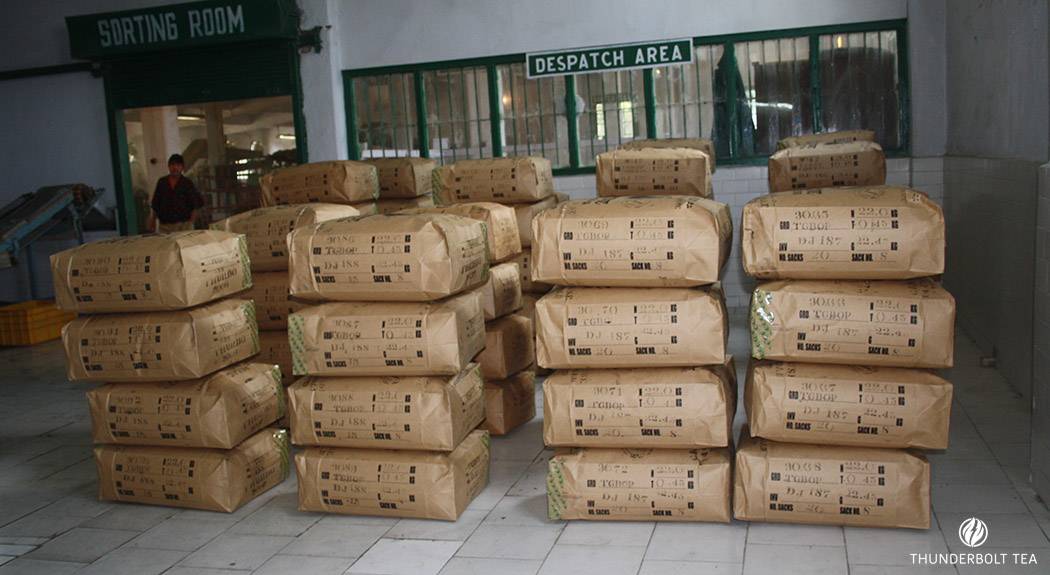
Thunderbolt Tea, the First company to sell Darjeeling Teas Online
Yes, Thunderbolt Tea was the first local tea company based in Darjeeling who started selling teas online. We started trading locally from 1999 and to be precise 2004 was the year when we could spread our wings a bit by going online. There were no online stores that availed Darjeeling Tea directly from the origin and it was only in 2004 when we first launched our site selling exclusively Darjeelings only. We still do sell Darjeelings only. It was totally intended to bring back whatever economy we could, back to Darjeeling, otherwise nothing returns back apart from the tea worker wages and the remuneration that they get. Do take a look at our page where we have laid out six good reasons to buy Darjeeling from a local. Yes, the change is the deletion of the middleman involved. Try to buy it from a local Darjeeling merchant (Thunderbolt Tea being one of them hehe) so that you get fresh teas at an affordable price. And not to forget that indirectly you will be helping the locals generate economy that very much comes back and stays in Darjeeling. It will be like giving back to the community.
We have got you covered with the best Darjeelings and here is no need for you to toggle your mind with questions like "Where to buy best Darjeeling Tea?". Yes, you can definitely buy wholesale Darjeeling directly from the tea gardens if you are an expert in tea tasting leading to choosing of the right teas. They will not tell you which tea is good and which is bad. It will be at your sole discretion. Whatever tea they have, good or bad, remember they have to sell it all. Buying teas from local Darjeeling Merchants is a plus point here because we would have already chosen teas through rigorous tea tastings and through experience. These fine picks will be the list for you. Meaning you don't have to work hard to get the best. We do the choosing, you just have to choose from the list. And in fact we interact with our wholesale customers as to what they are exactly looking for and would recommend them accordingly to their match.
Beware of Fake Darjeeling
Beware of fake teas being sold as Darjeeling. I have come to notice a lot of tea companies selling teas as Darjeeling when they are not. I have no problem with any other tea, in fact would like to explore teas from different regions of the world, but when someone buys a particular tea when it really isn't in the real sense, then its not fair for the buyer. Many merchants are taking advantage of Nepal teas which is very similar to Darjeelings in appearance. Don't take me otherwise, I love Nepal teas and some of my folks work as tea estate managers there. They sample me their teas often to get a feedback, some are out of this world. Its top quality and I have fallen in love with them. Nepal teas have a characteristics of its own and fetch a good price as well, but there are also teas made which resembles Darjeeling in appearance and are sold cheaper. My question is why sell Nepal teas as Darjeeling Teas? Nepal Teas are of excellent quality as well and they have a fan following and a good market. I recommend selling them as it is which will be fairer to the consumer. A person who might be wanting to taste Darjeeling might be tasting Nepal and visa versa. This is misleading to the consumer and to the person who is trying to learn about different teas.
Darjeeling Tea Blends and their counterparts
I see a lot of teas being sold as blends and this is quite confusing to me as teas are already blended when in the tea factory, of course in the same factory where it is produced, but will have that single estate flavor. Ah, this needs another topic. Someday I will cover it. Blends happen to create a unique flavor as some blends are famous as English Breakfast Blend. In the real sense its a blend of Assam, Ceylon and Kenya, but they haven't named it as "Assam blend" or "Ceylon blend" or "Kenya blend". Now a days fancy names are given to Darjeeling blends such as "Golden Glitter Darjeeling blend" (thats a made up one for example) seems quite awkward when it is known for its single estate origin.
There are tons of other blends and I am not against it. I am a fan of chai blends with spicy elements. Also like the floral and fruit blends, but my opinion is that the blends just don't sound right specially with Darjeeling Teas. Darjeeling Teas are known for its already existing mild flavors which are either floral or fruity/nutty. If we add an extra essence or a physical piece of foreign stuff, the tea absorbs it and eventually becomes what was added. Its the property of tea to absorb external flavors. By adding that extra, the already mild flavor which Darjeeling possesses, will result to minimum and the Darjeeling character is lost forever. Drink Darjeeling without any blends if you want to experience the real Darjeeling character. Darjeeling character is complex in itself and mostly reasons out to the place where it's produced. That's why every authentic Darjeeling has a name associated with the tea estate it is produced in. A Darjeeling without a tea estate name attached is not only fishy, but considered fake as well. If it's real, why hide the tea estate name? And to top it all, Darjeeling is known as Single Estate Teas meaning teas from a particular tea garden. If you blend, the single estate meaning no longer holds authenticity.
Reasons for blends
-
- Reason 1: The other reason for blends is to uplift the flavor of a low quality tea by blending with a higher quality tea. This maximizes the quantity of the tea for sale, but reduces the actual higher quality tea to a lower one. It somewhat standardizes both, but your high quality expectation would be much lower when the product is in hand. What is Darjeeling Tea famous for? Its flavor, and if you blend one Darjeeling to another then the original flavor of each of the tea is lost and of course a new flavor arises, but the original Darjeeling essence of a particular tea garden is lost. Like for instance Castleton Muscatel tea has a very distinct flavor. What will happen to this tea if blended with another? Disaster. Darjeeling Teas are well known as single estate teas. After the blends, the "single estate flavor" will have no meaning at all.
- Reason 2: This can get a little complicated for the Darjeeling first timers or even people who have been drinking it. Darjeeling has four tea seasons and it is during the Monsoon season that the tea gets the lowest quality. Many tea gardens manufacture green teas during this season to push their sales. The flavor will be at a minimum compared to other three tea flushes. Hence, I have seen some tea gardens themselves have started blending such teas with lemon, jasmine etc. This is authentic Darjeeling which comes with a attached tea garden name, but more with a lemon, jasmine flavor rather than the actual Darjeeling character. No offense to anyone, but truth is what it is.
- Reason 3: The other reason for the "blend" mention is to hide the very source of which each Darjeeling Tea has. For instance, each tea bought by us comes with a particular invoice number which is in fact traceable. Meaning, tea garden will have a record to whom the tea was sold. It will contain the name of the person who bought the tea, tea name, price, date, season and quantity purchased. If someone sells a particular tea garden tea with a fake invoice number, that person can be questionable. So if someone is passing on some other tea having different origin, that tea cannot possible obtain the invoice number and hence selling as a "blend" or just with a generic name as "Darjeeling green tea super quality" is the easiest method.
Wholesale Exceptions
There may be merchants around the world selling Darjeeling without invoice numbers and can be authentic. It solely depends on the source they are buying from. In fact they can apply the same invoice number as their source. For example, if we sell 5 kgs of invoice number "DJ-1" to a wholesaler somewhere in the world, that merchant can apply the same invoice number which is actually fair for them as well as the consumer in getting the authentic product. So whomever you buy your Darjeeling from, ask for the invoice number before you buy it. If that person cannot provide you the same, then you saved yourself from buying fake Darjeeling. Remember each and every Darjeeling should compulsorily have a tea garden name attached to it without which it is not a Darjeeling. How can a Darjeeling Tea exist without a tea garden name attached to it?
Now that you know about some of tea wholesale buying info for Darjeeling and hopefully we have provided you the same. Why not try us and get your Darjeelings delivered directly from Darjeeling. Buying Darjeeling Tea directly without any middleman involved :) - Contact us for your Darjeeling wholesale tea needs.
11. BUY BEST DARJEELING TEA ONLINE
Ah, the answer to this rests right on this Darjeeling Tea Exclusive store.
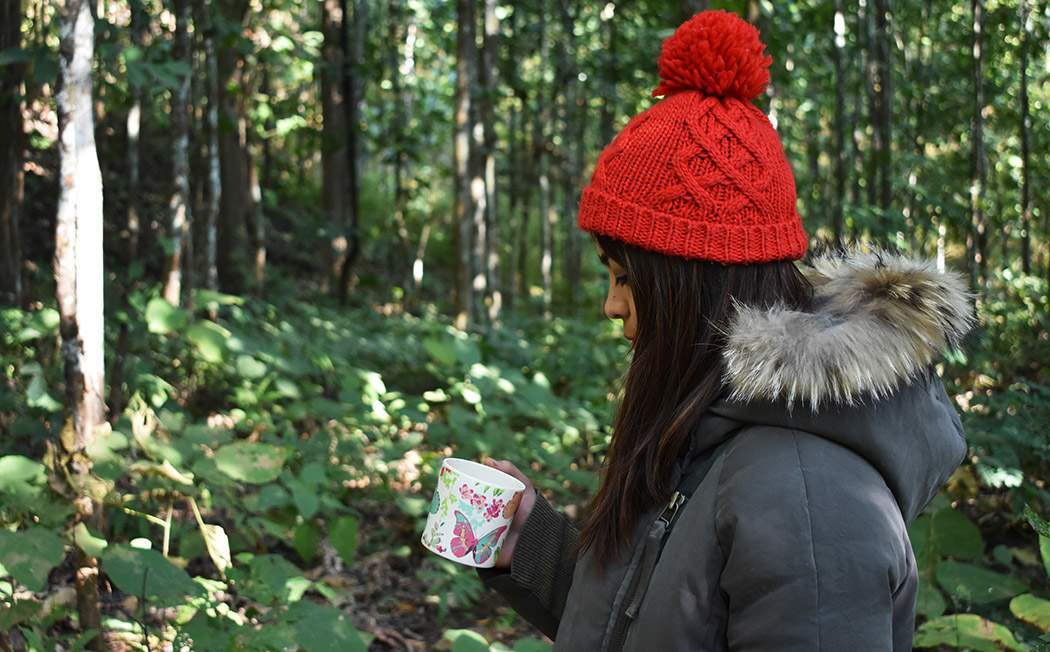
There are a plethora of tea houses, tea rooms, tea cafes and online tea shops you can buy Darjeeling Tea Online. Sometimes, I too end up in a cafe drinking their tea chatting with friends and family. It has a charm of it's own. But when you think of stocking up Darjeeling, look no further, you are already here :) We are a family owned tea business, a Darjeeling Tea merchant based and operational from Darjeeling. Locals who know their hometown product well enough to get you the best Darjeeling, the industry can offer. Yes, we will ship you the freshest and one of the highest quality teas directly from Darjeeling. We have written a small post comprising of 6 reasons as to why get tea from us is a good idea. Do give it a read!
12. INTRODUCTION TO OUR HOMETOWN, DARJEELING
IT'S "THE LAND OF THE THUNDERBOLT!" WE DERIVE OUR TEA COMPANY NAME FROM IT!
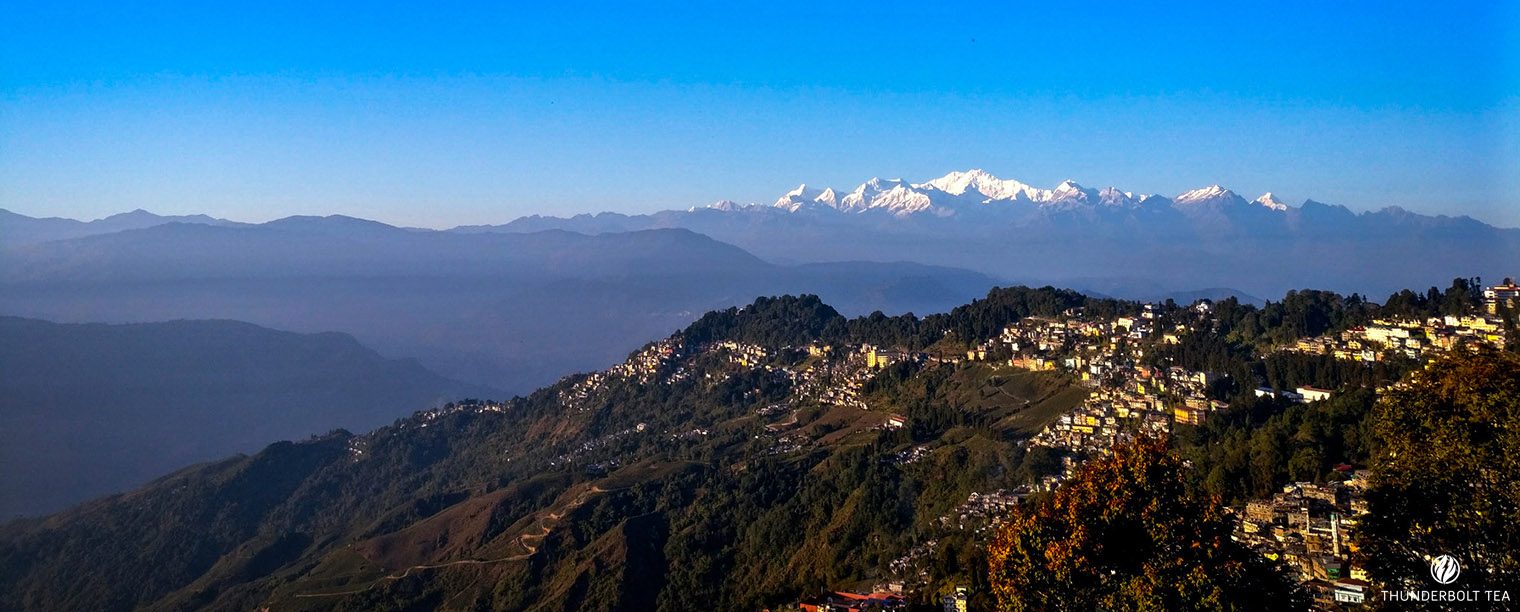
With an area of 1,200 sq. miles, the district is shaped like an irregular triangle, the southern region, the base, comprises the Terrai, a marshy low-lying area at an average height of 100 m above sea level; the apex is formed by the Phalut ridge where Nepal meets India. The eastern frontier lies along the rivers Tista and Rangeet, beyond is Rishi-La and Bhutan. The lower regions of the labyrinthine hilly forest-clad ridges, have been cleared for the cultivation of the world famous Darjeeling Tea. Started in the area of only 14,000 acres in 1872, it had risen to 7,87,000 acres by 1956.
The beautiful Victorian town itself laid out by Lord Napier of Royal Engineers, is at an altitude of 2,134 m (lies between 26° 31' and 27° 13' North Latitude and between 87° 59' and 88° 53' East Longitude); moving up the hills one is greeted by smiling tea gardens, changing to firs, pines and fast moving torrents, while around 4,000 types of flowering plants and 300 varieties of ferns, including the rare tree fern. Beyond the town itself, modern elegant and sophisticated, lies nature in the raw in hills, valleys and forest, unbroken and untamed.
Darjeeling is mainly known for its world famous Darjeeling Tea which we have covered above, its Toy Train known as the Darjeeling Himalayan Railway, its views of Kanchenjunga from Darjeeling town and its amalgamation of culture. Darjeeling is not just Tea, but more than that. It has tremendous amount of historical and cultural impact which makes you delve into a different dimension. A tour of tremendous amount of Buddhist and Hindu shrines is one of the tourist attractions. There are a lot of ancient Churches as well built by the very Britons when they were here in Darjeeling. And not the forget that it is a bio-diversity hot spot.
Foodies will love Darjeeling
Apart from Darjeeling Tea, there are various other things Darjeeling is famous for like the famous Tibetan food eateries which is rare in any part of India except a few places, local Nepali cuisines and other food categories which is only found in these parts. Momos are a favorite lot both among locals as well as tourists. Momos became so famous that it has now become part of a street food culture in the streets of Kolkata and other parts as well. Being local, some of the best joints we go to are Glenary's for multi-cuisine, Blind Date and Kunga's for Tibetan, Soaltee and Penang specially for momos and Keventers for that early morning platter.
And don't forget to try the local beer known as "Tongba". These local beers are not readily available everywhere, but in special restaurants as Hot Stimulating Cafe near Shrubbery Park. Tongbas consume a lot of time to drink because the juice from the ingredients has to seep into the water which is poured from top. Its taste can only be felt when one drinks it and the best of all, it is said to be 100% free alcohol.
The Darjeeling Himalayan Railway (often referred as DHR)
By 1878 a railway had been completed from Calcutta (now Kolkata) to Siliguri, almost to the base of the Himalayas, and a tonga service took travelers thence up the hill portion of the journey. But the ascent by tongas soon led to dissatisfaction with this means of transit, and the idea for inception of the laying of a steam tramway along the road from Siliguri to Darjeeling arose.
The tonga service on the cart road alluded above served travelers and traders for ten years, but when the obvious disadvantages of such a means of communication led to proposals for the laying of a steam tramway from Siliguri to Darjeeling, Mr. Franklin Prestage (at that time Agent of the Eastern Bengal Railway Company) approached the Government of Bengal in 1878 with a detailed scheme. Sir Ashley Eden, the Lieutenant-Governor, appointed a Committee to examine the project, and this Committee reported that the construction of a steam tramway was feasible and would be great advantage, both to the Government and the public. The cart road had indeed suffered heavily from slips during each rainy season and inconvenience and lengthy interruption to communications had resulted. The upkeep of the road moreover, cost the Government about one and a half lakhs of rupees annually, and it was hoped that the tramway would be able to help to defray this cost.
-
- Prestage's scheme gets a go ahead nod
Mr. Prestage's scheme was gladly accepted in 1879, and the construction of the tramway was commenced and pushed on with great rapidity. By March 1880 the line had been opened to Tindharia, and Lord Lytton, the first Viceroy to visit Darjeeling, was conveyed so far by the Company. Before the end of that year the line was complete to Kurseong, and in July 1881 it was opened for traffic right through to Darjeeling. The name of the Company was then changed to the more dignified appellation of the "Darjeeling Himalayan Railway Company". Messrs. Gillanders Arbuthnot & Co., one of the leading and oldest firms in Calcutta, were appointed agents of the Company from its inception.
- Prestage's scheme gets a go ahead nod
- Reason for Loops and Reverses of the DHR
In the first instance the alignment of the railway followed that of the cart road throughout, but it soon became apparent that some of the grades on the road were very much steeper than the locomotives could manage without great waste of power. Therefore a ruling gradient of 1 to 25 had been aimed at by the engineers of the Company though in places a gradient of 1 to 20 still exits, hence we find that the railway at times leaves the road altogether and at other times attains a different alignment by means of "Loops" and "Reverses". Here it may be stated that in the "loop" the railway track circles round and passes over itself by a bridge, thereby quickly attaining a higher elevation and an immediately better alignment. In the "reverse" the same object is obtained by running the track back diagonally up the hill-side for a short distance, and then again resuming an alignment parallel to the original alignment but higher up the side of the mountain.The engine originally employed was very small even for a two-foot track, and was only capable of drawing a load of about 7 tons. But later on it was improved to the standard type which was able to draw a load of 35 tons up the improved track.The original passenger vehicle was a small four-wheeled trolley with canvas roof and two wooden benches for seats, but some years later bogie railway stock was introduced. New workshops were opened at Tindharia in 1914, and all rolling-stock built in the workshops with the exception of the wheels which are imported.
Adventure Lovers will Love It!
Apart from being acclaimed as one of the best Hill Resorts, Darjeeling is also a veritable paradise for trekkers and adventure seekers. Trekking in Darjeeling is an experience which no lover of nature should miss. The region abounds in rhododendrons, magnolias, primulas, orchids and ferns of numerous varieties. About six hundred species of birds inhabit the emerald green forests on the slopes of the mountains.
Mountaineering is another one. Tenzing Norgay's ascent of Everest (8848 m/29,028 ft) along with Edmund Hillary, in 1953 provided the impetus to mountaineering as an organised sport in India, and it was to commemorate this singular success that the Himalayan Mountaineering Institute (HMI) was founded in Darjeeling with the personal initiative of Late Pandit Jawahar Lal Nehru, the first Prime Minister of India. The Institute was established on 4th November 1954, which was then the hub center of all mountaineering activity in India. Late Maj N.D. Jayal was the first Principal of the Institute whereas Late Tenzing Norgay was Director of Field Training. The Institute is located in Darjeeling and interested personnel can enroll by visiting the place.
Population rose because of Darjeeling Tea
You can consider people from the Darjeeling hills as one of the friendliest people in the world. Historically comprised of only the Lepchas, the Nepalese, the Newars and the Bhotias (Bhutias), Darjeeling now has an influx of all people belonging to different caste and creed. They all live in harmony and tourists are pampered to the extreme. The language spoken is Nepalese but quite different from that of Nepal. A large section of the people of the hills comprise of the work force for the production of Darjeeling Tea. They work as tea workers who pick tea and accordingly assist in the product get its final shape.
Economy of Darjeeling
The cash crops of the region are fruits (like oranges), tea and cardamom. Tourism contributes in a great way to the economy of the region. Tea and Darjeeling are synonymous. Darjeeling Tea is world renowned for its flavor, which is unequaled by other tea producing areas not only of India but also of the world. Darjeeling still manufactures the tea by the original methods known as the 'orthodox' method. Some have already gone Bio-Organic and some are under conversion. It needs at least some years for a tea garden to completely convert into fields producing organic Darjeeling Tea.
THANKS FOR YOUR TIME
AND THE READ ON DARJEELING TEA
We got this far, Phew! Thanks for staying with us. We hope that we were able to provide you the information you were searching for on Darjeeling Tea. If there is something more you want to know about Darjeeling Tea or something specific on your mind, please don't hesitate to Contact Us. Or give us a buzz on various social media platforms that Thunderbolt Tea is in.
Here's Cheers to a beautiful brew, Darjeeling Tea and all the Tea Lovers around the world!
STAY COOL AND DRINK TEA! - Best Regards, Benoy & Neelam